
Better questions. Better home decisions.
Practical answers about colours, tiles, preparation and planning. Explore the decisions before buying materials or comparing quotes.
Where to start with decorating
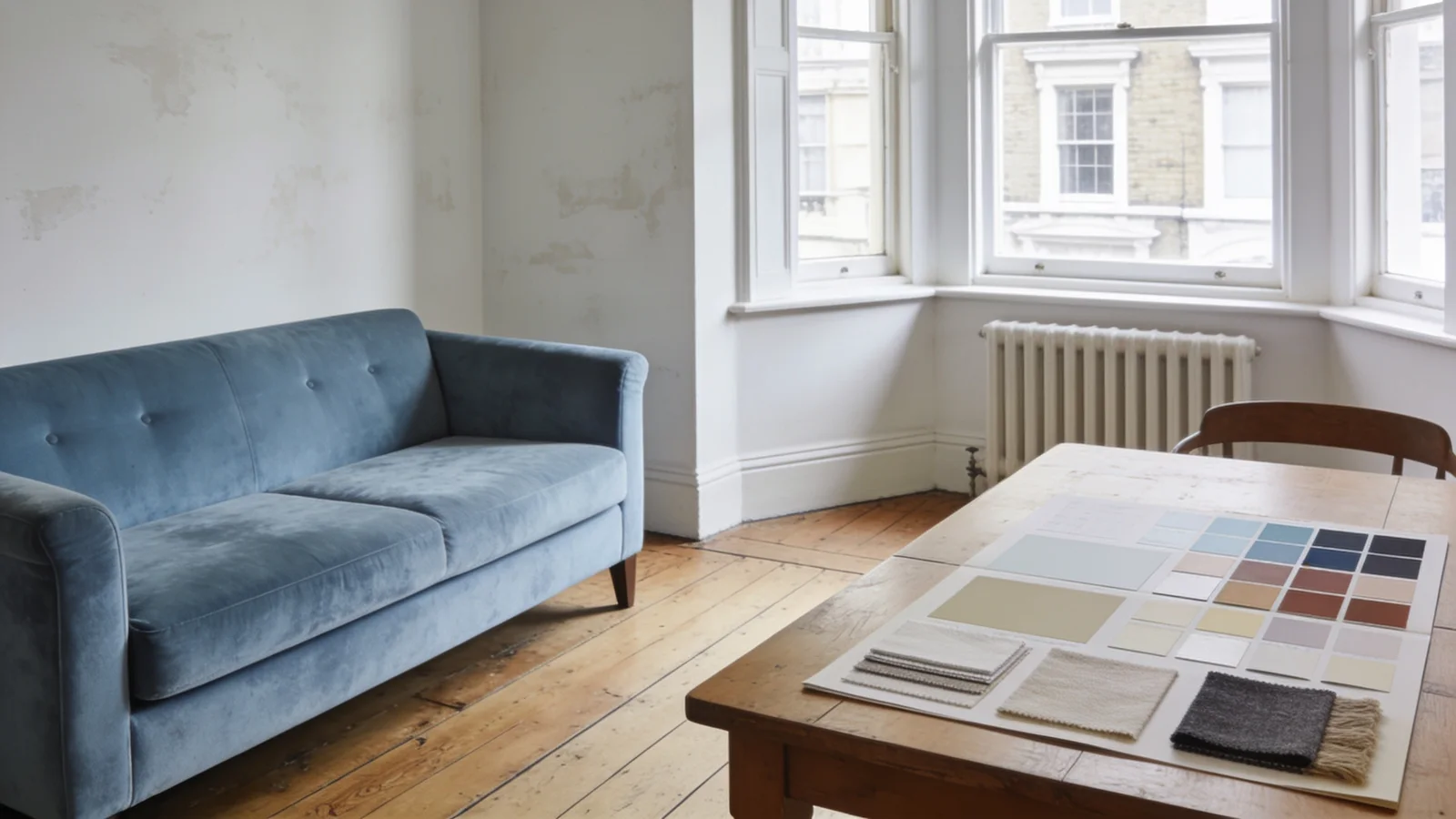
Start with how the room needs to work and what you are keeping. Make a measured plan, decide the changes that matter most and set a budget for preparation as well as finishes. Choose permanent surfaces and larger items before the smaller decorative details.
Read the guide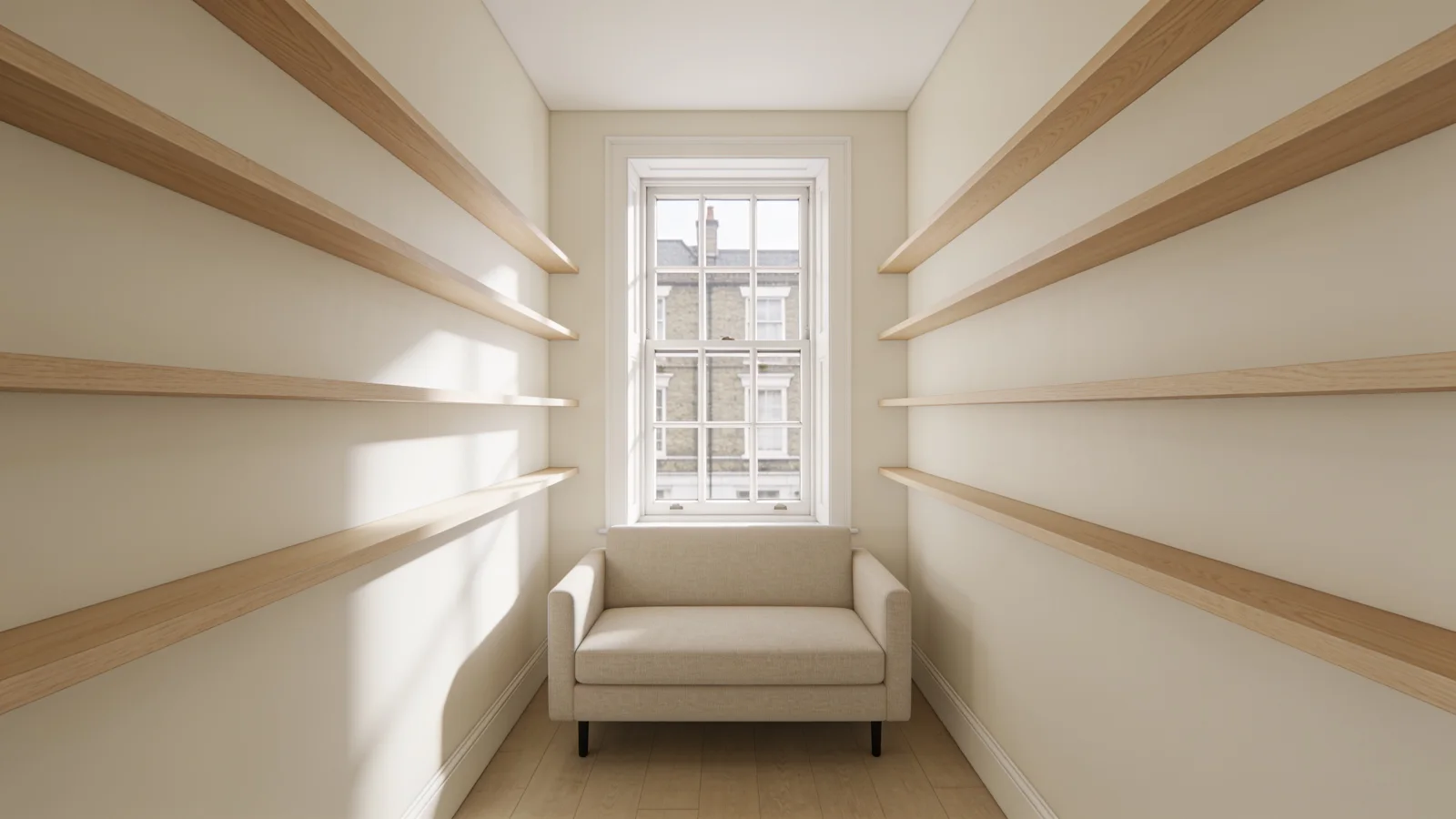
Make a small room feel bigger
Begin with furniture layout and clear routes through the room, then improve daylight and reduce distracting changes in colour. Test a light, tonal scheme if you want an airy feel; darker colours can also create depth. Decoration changes perception, not the actual floor area.
Read the guide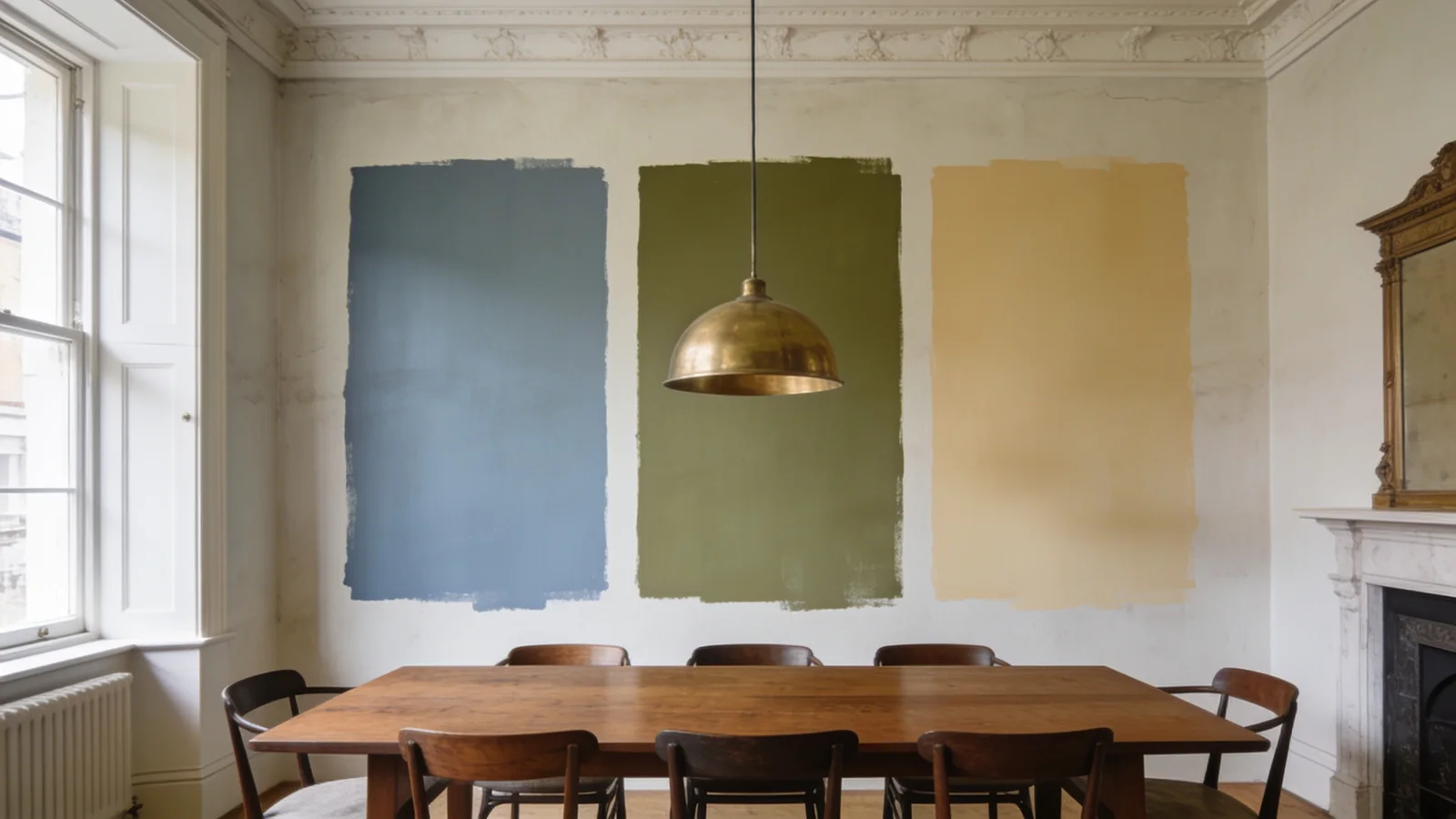
Choose paint colours confidently
Choose paint in the room where it will be used. Compare physical samples with the floor and larger furnishings, then view them in daylight and evening light. Check the exact paint finish and cleaning requirements as well as the colour name before committing.
Read the guide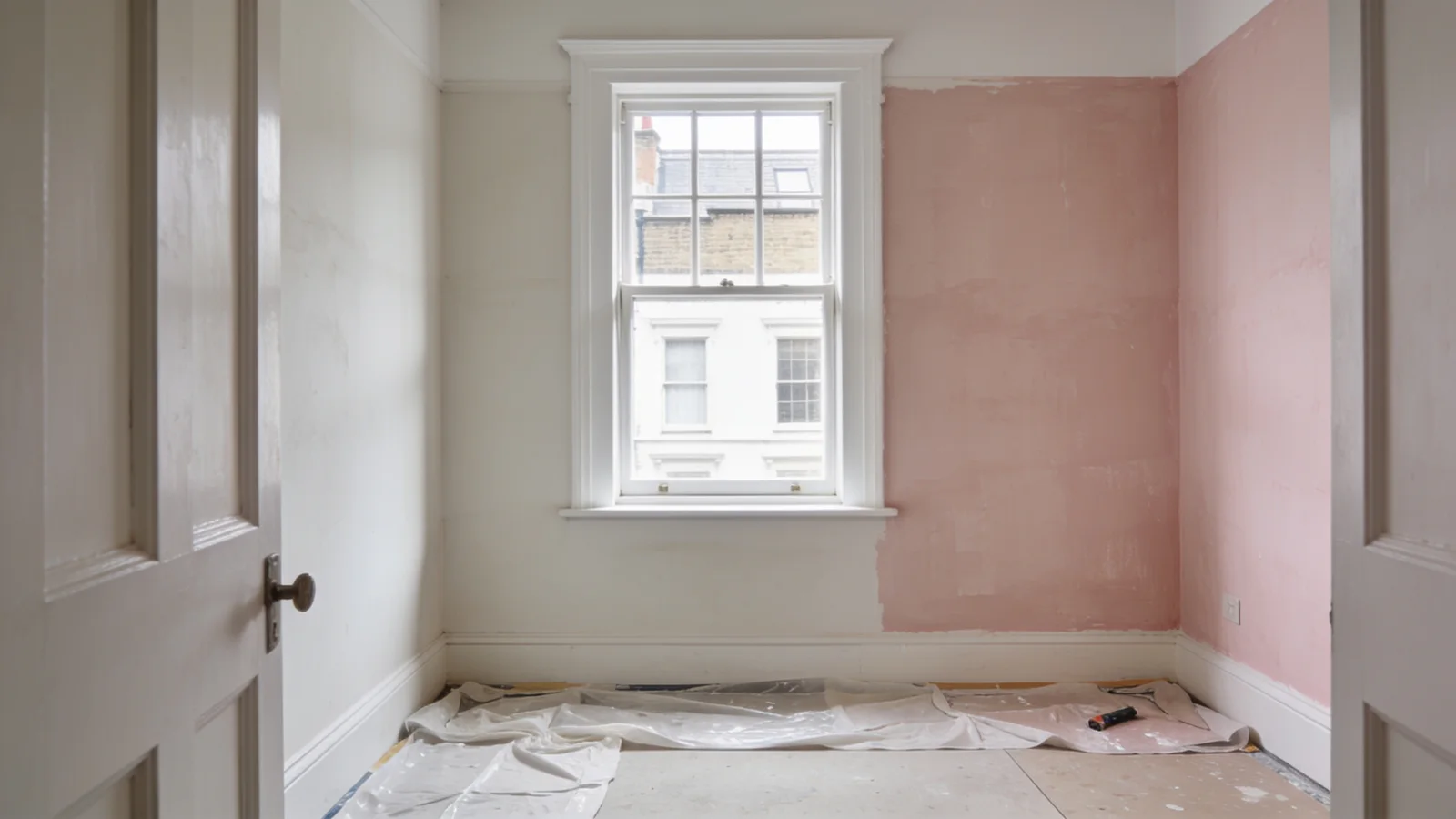
Painting new plaster
Let new plaster dry and follow the first-coat instructions for the paint system you choose. A mist coat or specified primer may be required. There is no universal dilution ratio or fixed drying time that is suitable for every product and room.
Read the guide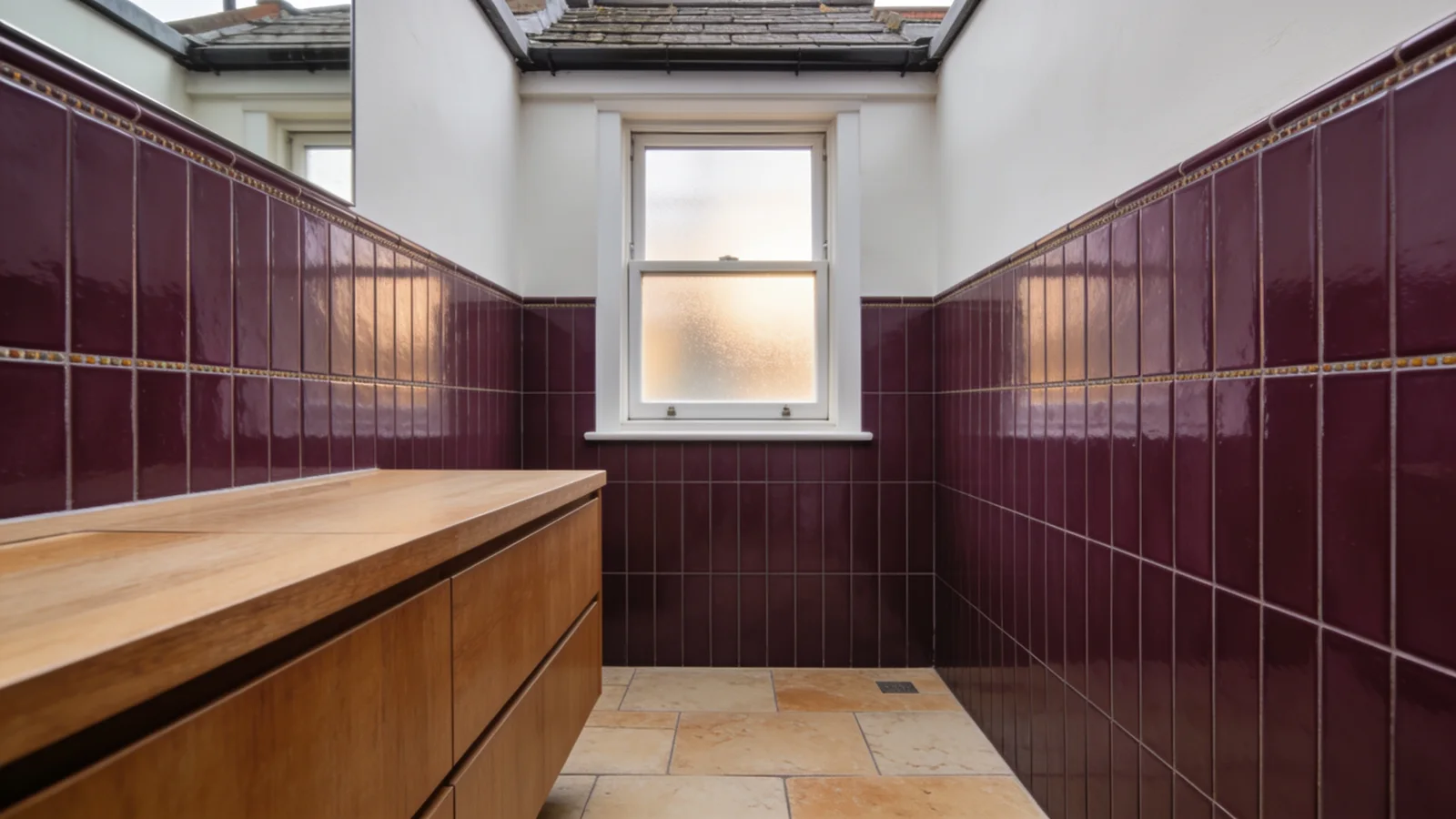
Plan your bathroom tiles
Decide the tile’s intended use, wall and floor areas, wet-area specification, layout and edge details before buying. Confirm suitability with the supplier and agree installation requirements with the tiler. A photograph of a beautiful bathroom does not establish that a tile is suitable for your own floor or shower.
Read the guide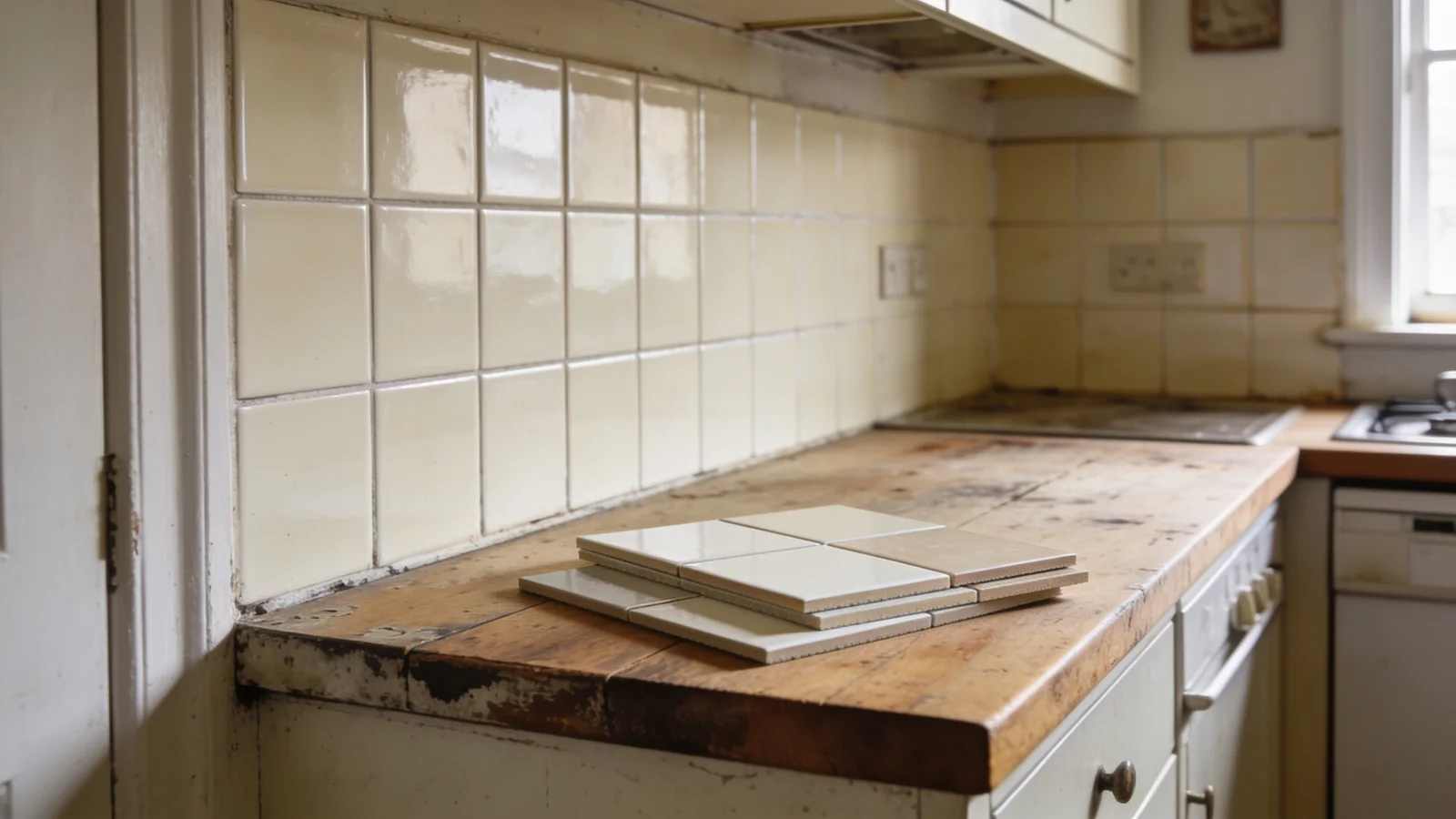
Can you tile over tiles?
Sometimes an existing tiled surface can be retained, but it needs assessment. Check the bond, background, added weight or thickness, finished edges and the installation system. Do not cover loose tiles, unresolved leaks or a surface that cannot support the proposed new finish.
Read the guide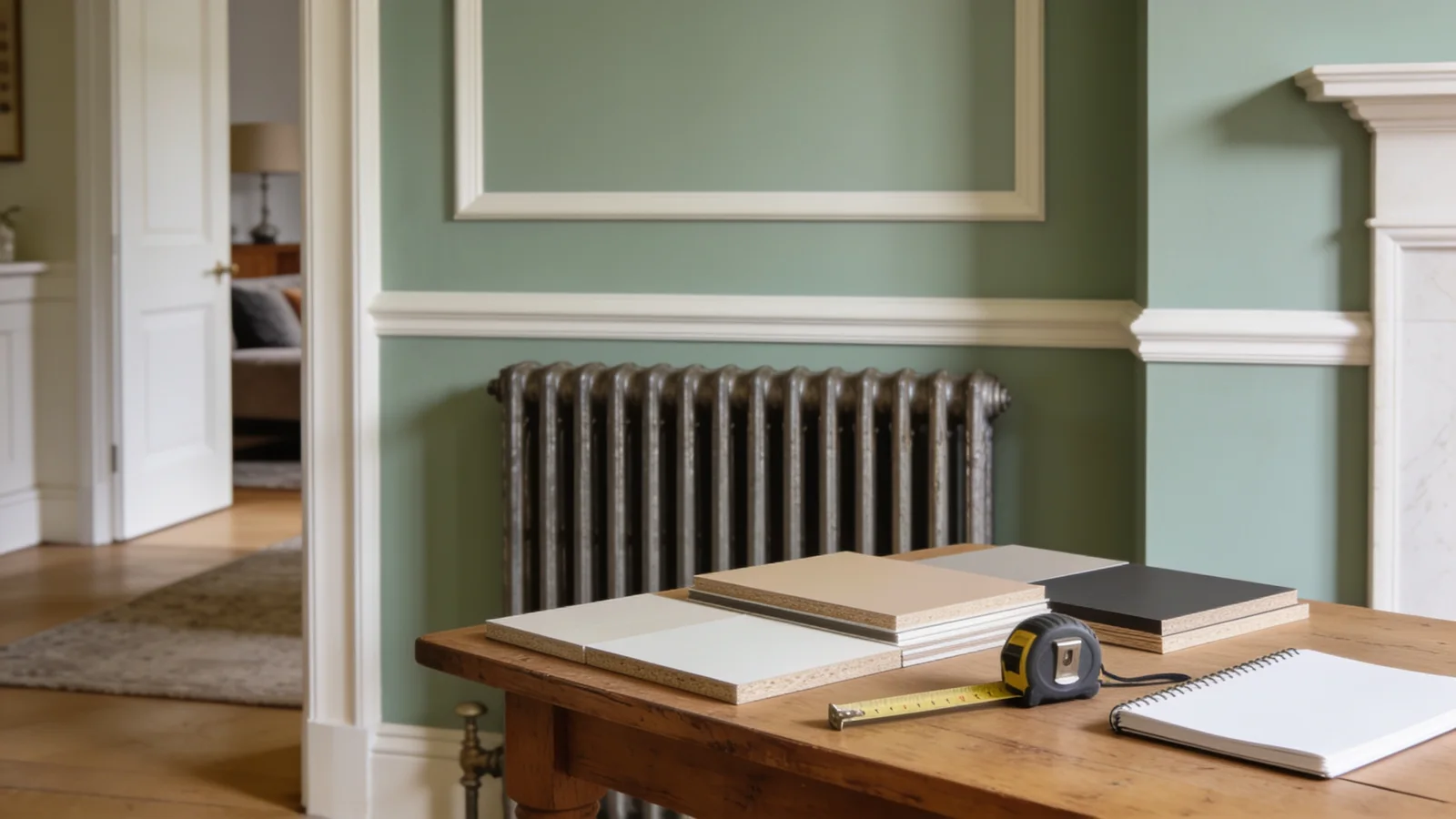
Compare quotes fairly
Compare quotes against the same written brief. Check preparation, labour, materials, protection, removal, waste and excluded work. A headline total or square-metre rate is not enough when the quotes cover different surfaces, conditions or responsibilities.
Read the guide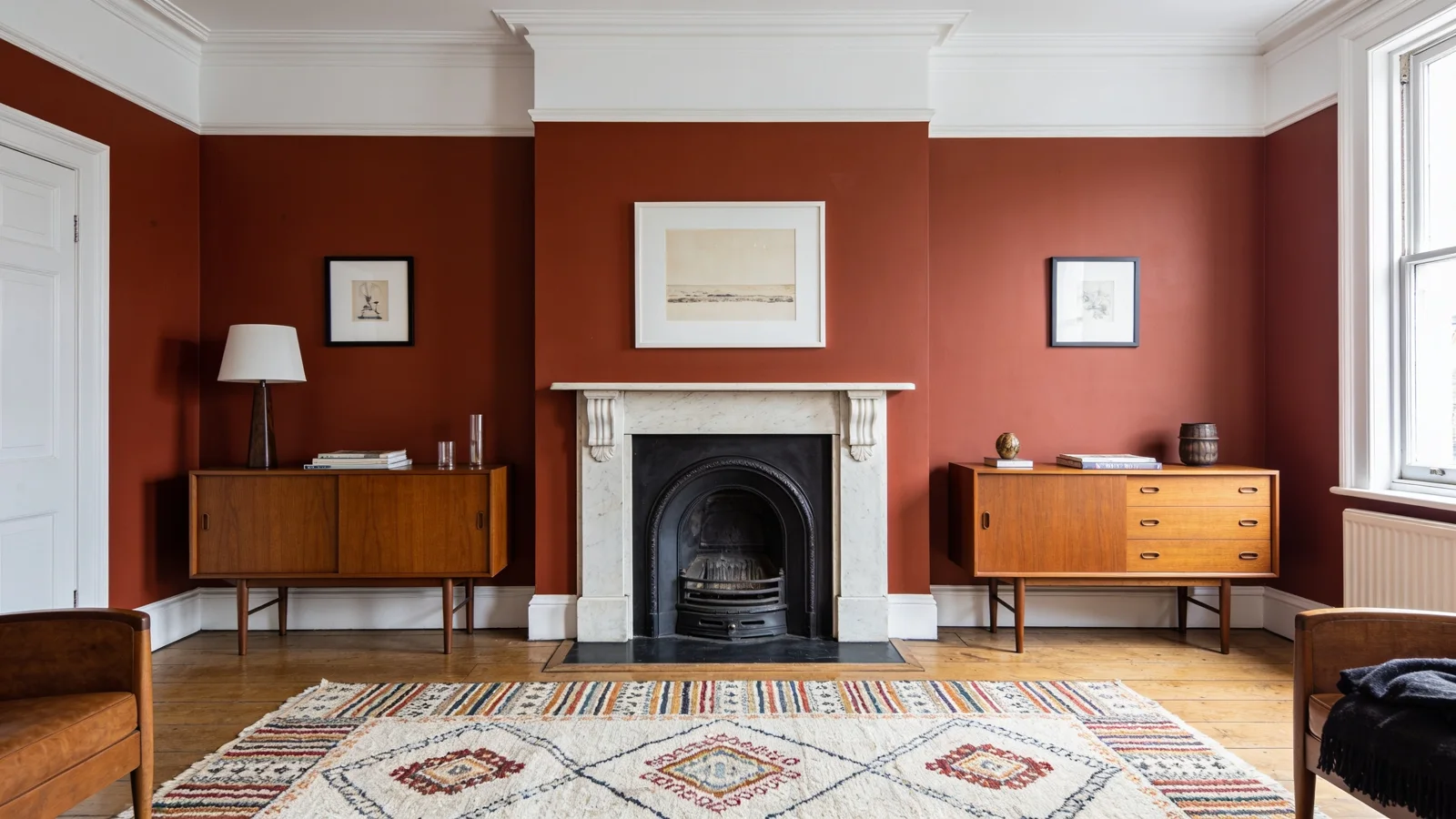
Find your interior style
Choose a few recurring colours, materials or details and let individual rooms adapt them to their function and light. A home can feel connected without using the same paint or tile everywhere. Style labels help describe preferences; they should not override how the space works for you.
Read the guide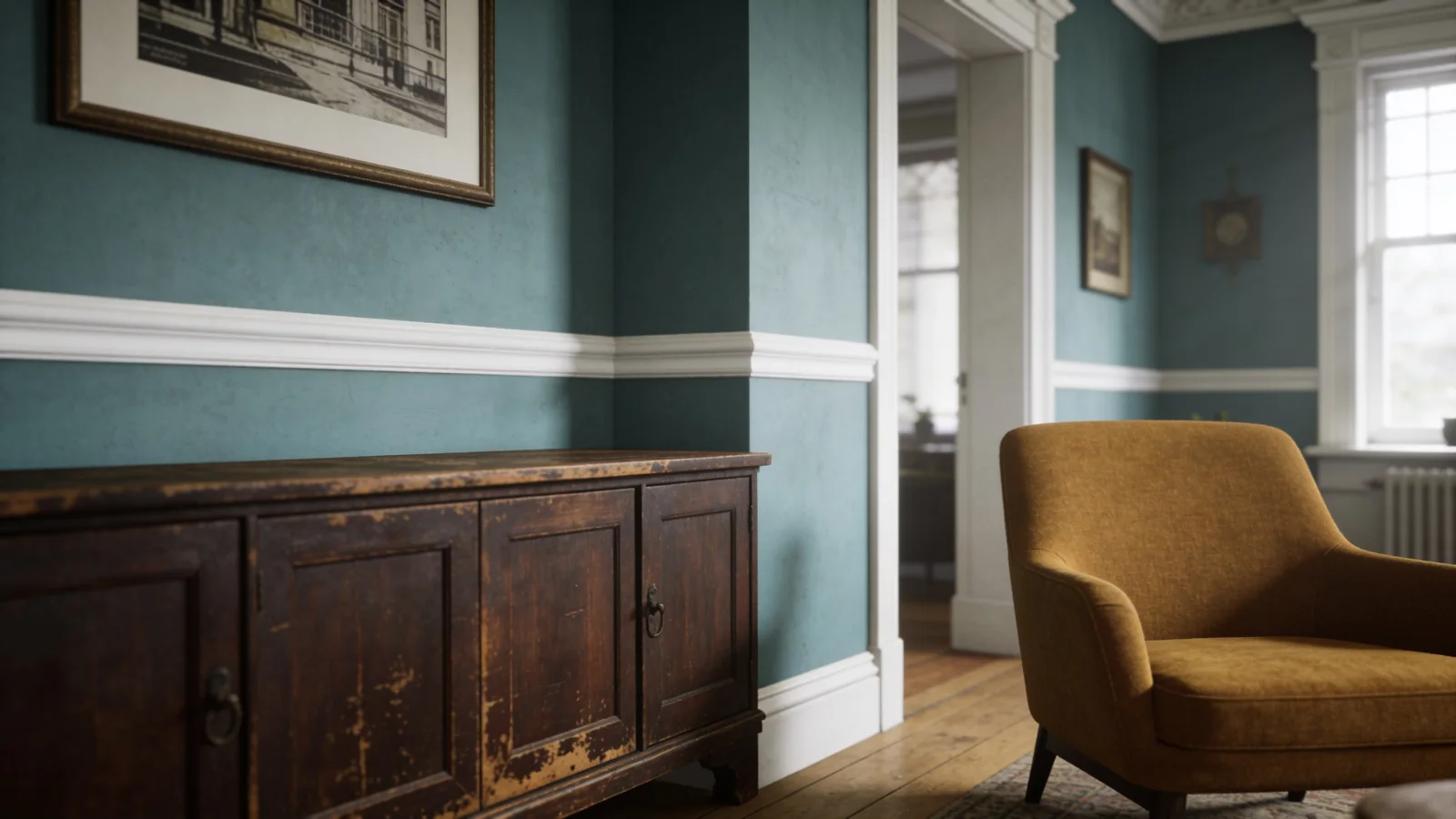
Decorate around what you own
Start with the furniture that is staying, its measurements and the way you use the room. Choose a small set of colours or materials that connect those pieces, then test paint samples alongside them. Your furniture does not have to match to feel deliberate.
Read the guide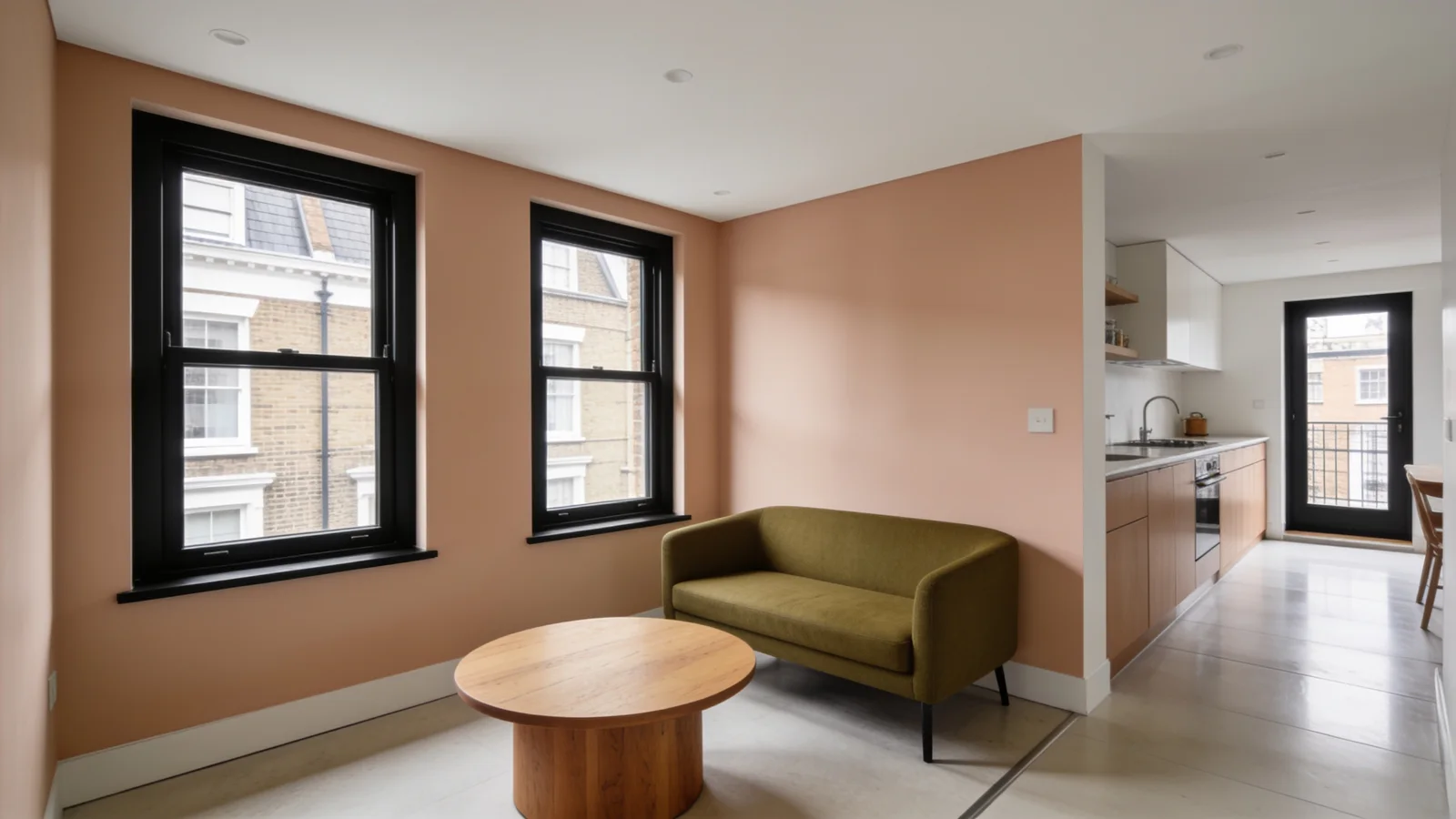
Room layout & furniture scale
Measure the room, its doors and fixed features, then draw the furniture footprints to scale. Check walking routes and the views from the doorway and seating. A large piece can work in a compact room when its placement is deliberate; a collection of small pieces can still create clutter.
Read the guide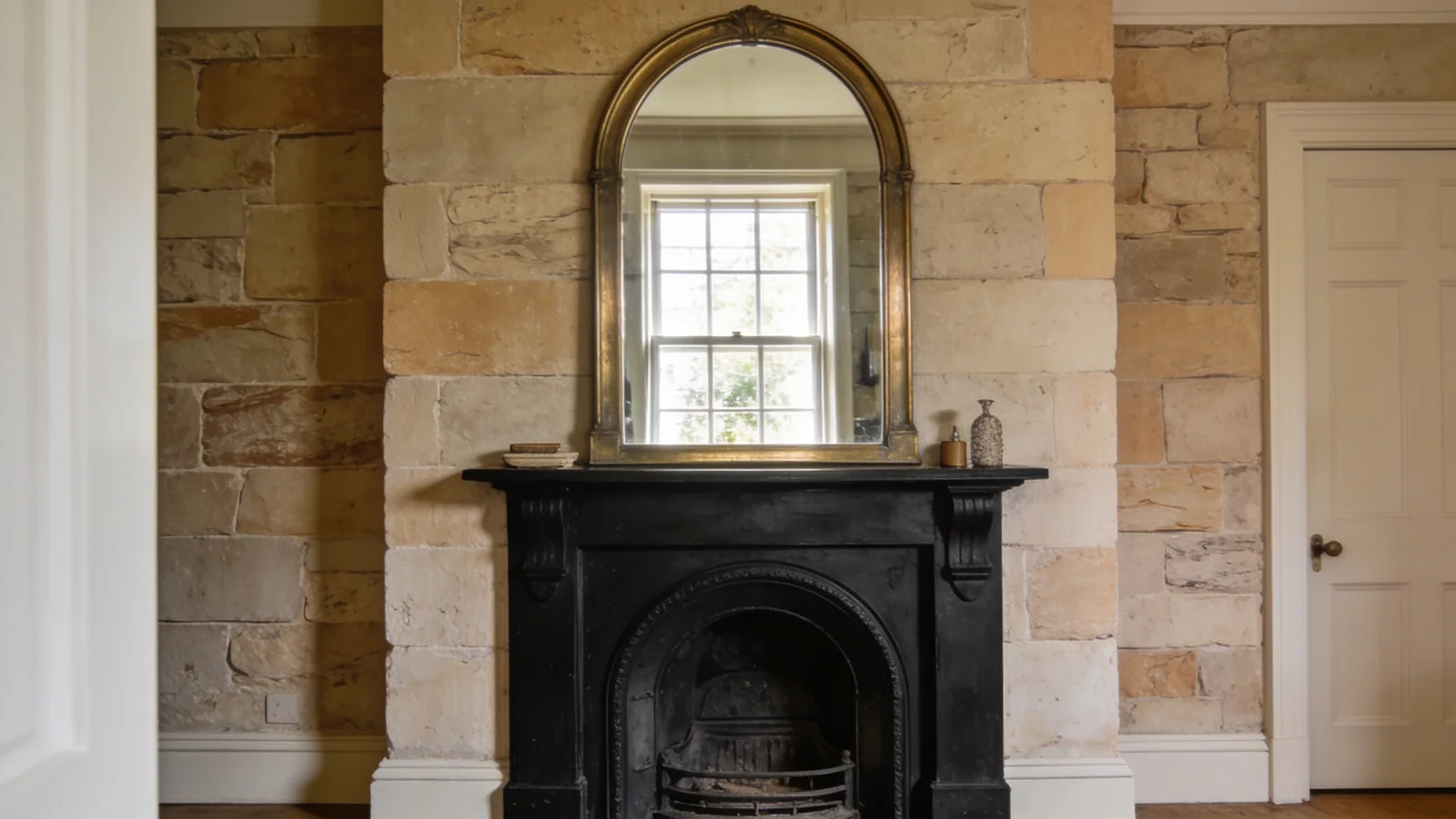
Mirror or artwork above a fireplace?
A mirror above a fireplace can work when you like what it reflects from the positions where you use the room. Check its size, angle and safe mounting before buying. Artwork or a smaller arrangement may be a better choice if the reflection is distracting.
Read the guide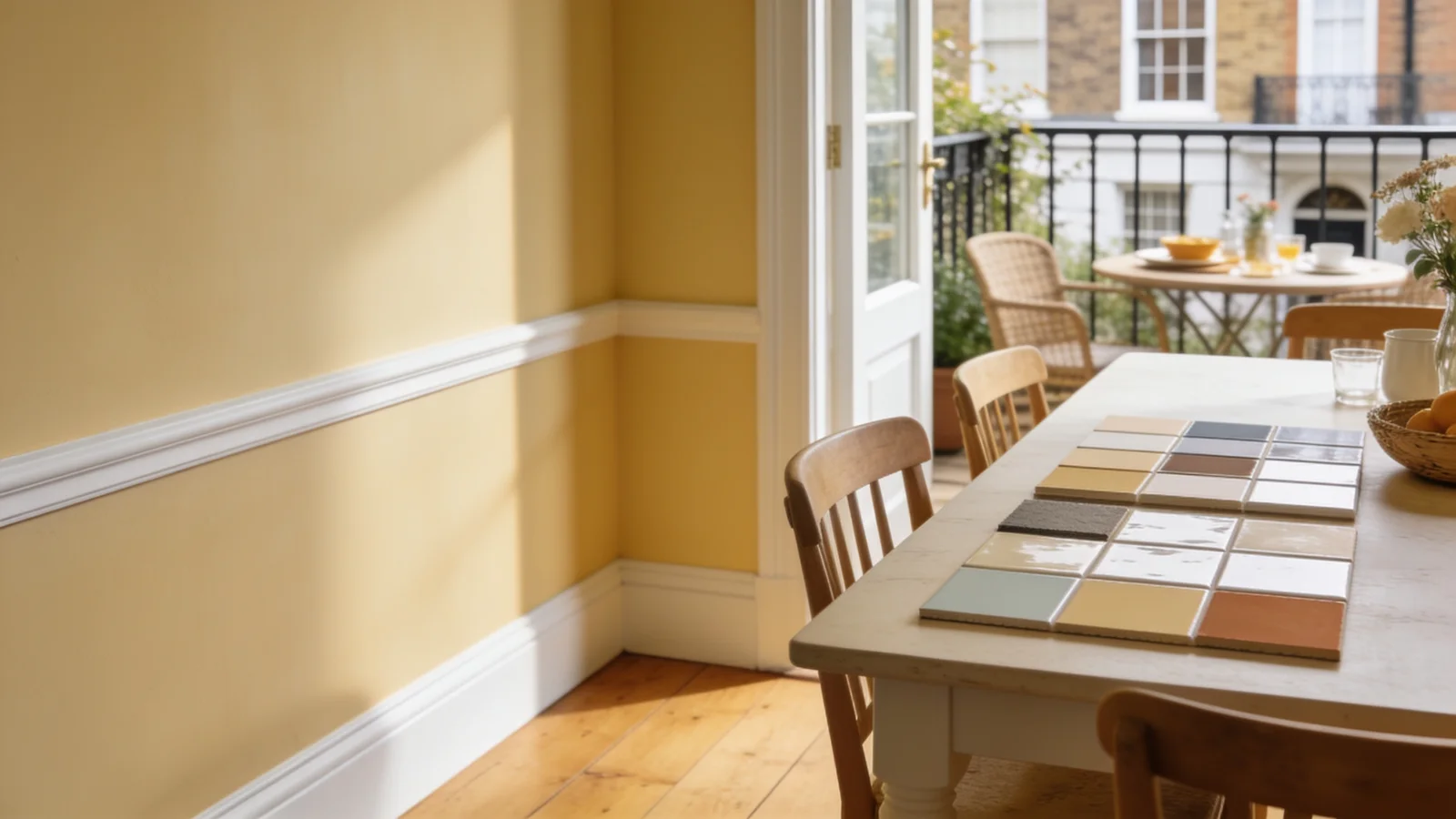
Costs: what changes the quote?
Painting and tiling costs vary with preparation, surface area, access, materials and detailing. Ask for a written scope rather than comparing an unverified day rate or price per square metre. A final quote may need an inspection of the actual surfaces.
Read the guide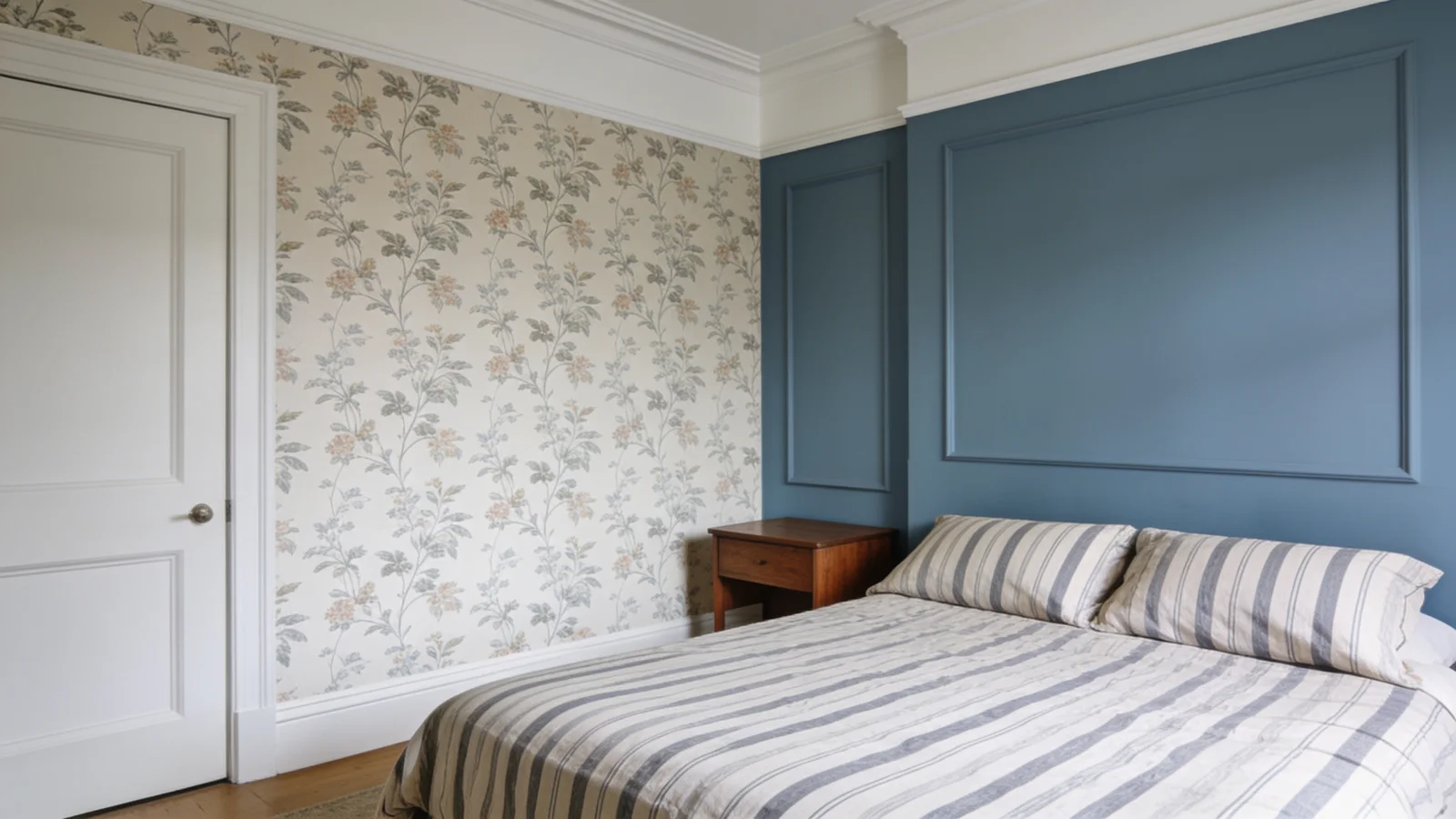
Plan wallpaper before ordering
Before ordering wallpaper, measure each wall, check the roll or panel dimensions, pattern repeat and batch details, and confirm the required preparation. Agree the layout and quantity with the person hanging it, especially for a mural or a large repeating pattern.
Read the guide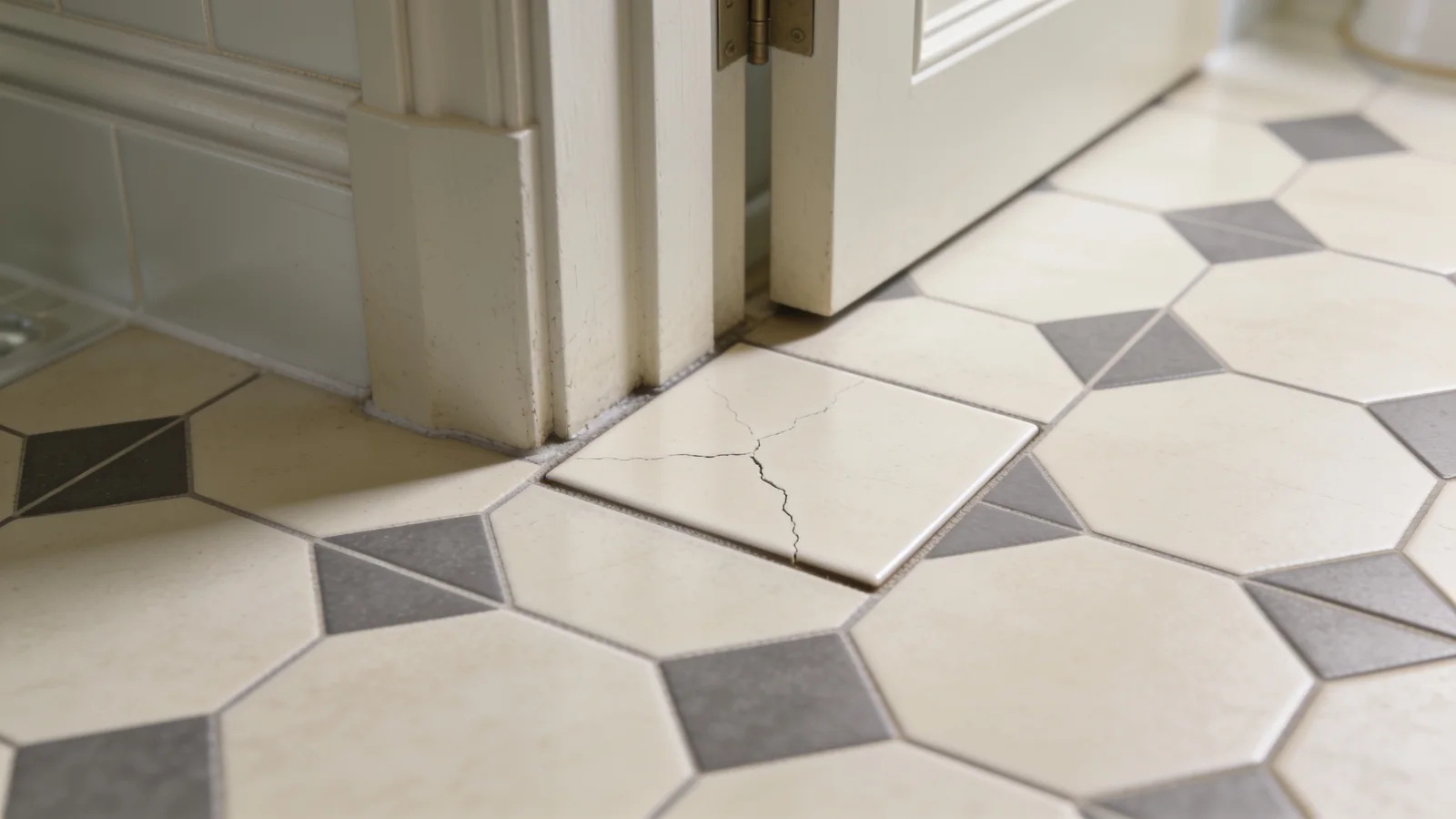
Repair or replace cracked tiles?
A single replacement may be suitable where a matching tile is available and the surrounding installation is sound. Recurring cracks, loose tiles or damage underneath may require a wider repair. Inspection should establish the likely cause before the final scope is agreed.
Read the guide