
Start with the furniture that is staying, its measurements and the way you use the room. Choose a small set of colours or materials that connect those pieces, then test paint samples alongside them. Your furniture does not have to match to feel deliberate.
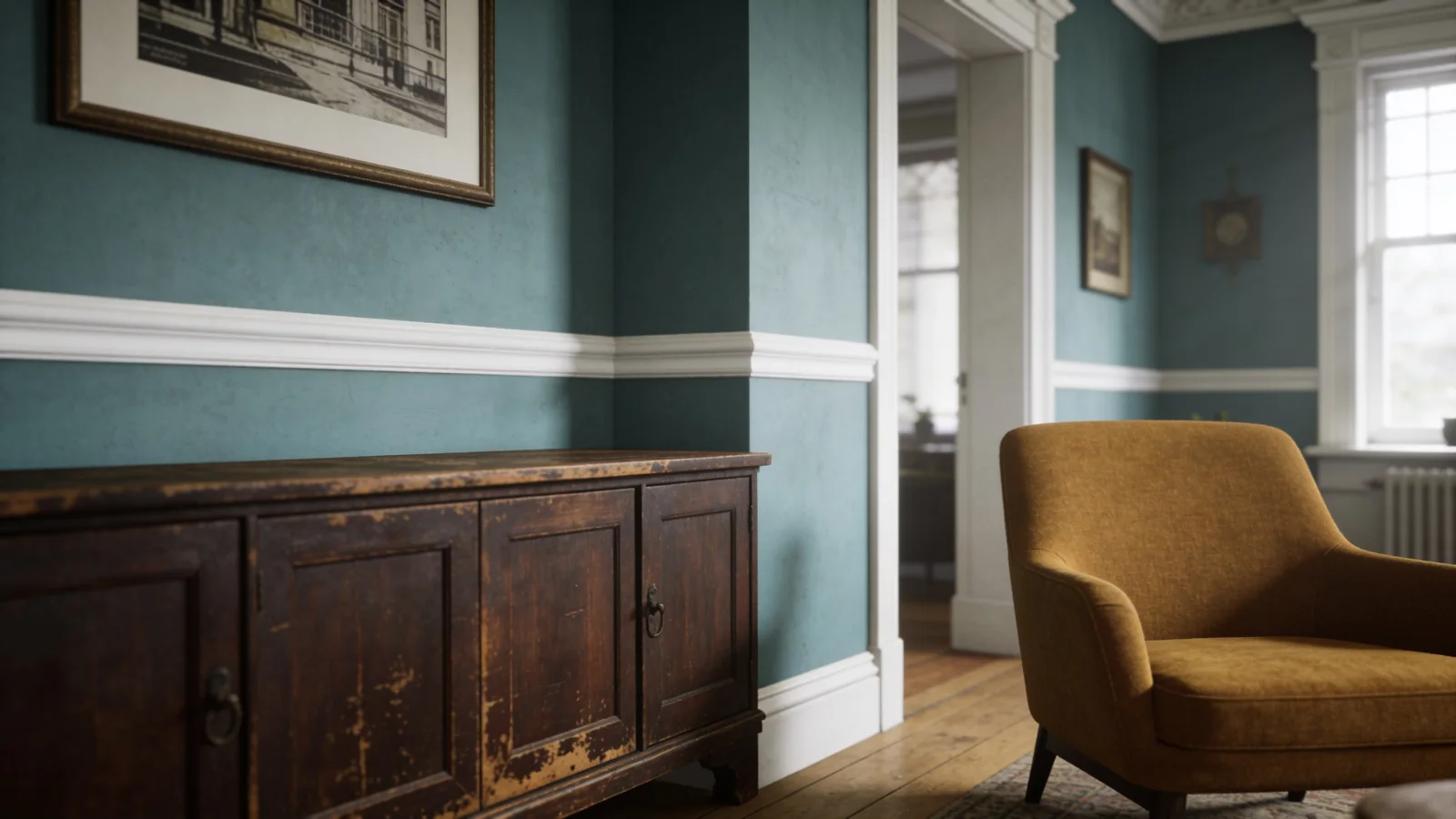
The real question: can old furniture work in a different home?
In the Starting Fresh discussion, a first-home buyer asked how to make existing possessions work in a traditional house. Another reader asked whether a complete furniture package was a better option. Those questions share a practical problem: how much should the new room dictate what you buy?
Our approach is to work out what still earns its place. Make three lists: keeping, deciding later and replacing. Keeping a comfortable sofa or useful table gives the scheme a real starting point. It also helps you reserve money for the preparation and finishes that cannot be solved with accessories.
Look at the fixed room and the movable pieces together
Photograph the room from the doorway and the main sitting position. Note the fireplace, windows, doors and any features you want to retain. Put photos or samples of the furniture beside those room images. The aim is to find a relationship, rather than give everything the same style label.
A contemporary sofa can sit beside a period fireplace. Consider whether the paint background, timber tones and textiles connect them. In a Walthamstow home with retained architectural details, decide which features lead the room before choosing a strong wall colour. The same method works in a newer East London flat without period features.
Choose a connection instead of an identical set
Try repeating one colour, a timber tone or a simple shape in more than one part of the room. A rug or curtain can bring two otherwise different pieces into the same palette. Keep some variation so the space feels collected rather than assembled from one catalogue.
This is a design preference, not a rule. If you like a coordinated set, check its dimensions, materials and practical use. A package is useful only if its individual pieces suit the actual room; convenience does not remove the need to measure.
Test paint beside the things you are keeping
Compare possible wall colours with the sofa fabric, flooring and window coverings in your own light. Move the samples between the brightest and darkest parts of the room, and revisit them when you use the space in the evening. A colour that looks good in a reference photograph may behave differently beside your furniture.
For our decorating brief, record the walls, ceiling and woodwork separately. Attach actual room photos and explain which furniture will remain during the work. Agree access, protection and moving arrangements rather than assuming they are included.
Leave the final accessories until the room is usable
Get the layout and large items settled, then choose smaller additions to solve specific gaps: a reading light, a useful side table or artwork of an appropriate scale. You do not have to fill every corner on moving day.
Before buying, ask what the item changes. Does it add a function, a colour connection or a focal point? If the answer is unclear, leave it on the list for later. That gives you time to live with the room after painting and judge what it needs.
Questions homeowners ask
Should I choose paint before buying new furniture?
If you are keeping large pieces, use them to narrow the palette first. If a new sofa is the main decision, compare its fabric with paint samples before ordering either. Settle the choices together rather than choosing wall colour in isolation.
Can modern furniture work in a traditional room?
Yes. Check proportions and identify a connecting colour or material. Let retained architectural features stay visible where you want them to lead the room; every movable piece does not have to imitate their period.
Do all the wood finishes need to match?
No. Compare them in the same light and decide whether the variation feels intentional. Repeat one tone elsewhere if you need a connection, and avoid adding another finish without seeing it beside the existing pieces.
Is a matching furniture package a bad idea?
It is a preference, not a universal mistake. Check every item’s dimensions and purpose, the total cost and delivery access. Do not buy an unwanted piece simply because it completes the package.
What should I send us before a room repaint?
Send your area, room photos, the surfaces to paint, current condition and furniture that will stay. Include sample or product details if chosen, and ask what moving and protection arrangements the quote includes.
Can I redecorate in stages?
Yes, if the sequence is planned. Agree the painting scope and keep a record of products and colours. Wait to buy decorative extras until the room is usable and you can judge what is missing.
The homeowner questions behind this guide
These real discussions helped shape the questions. Community replies are personal experiences and opinions, not a verified installation specification or price list.
- Reddit: Starting Fresh 101 — post and homeowner repliesRead on 9 October 2026. Questions about existing furniture, scale, matching sets and fireplace mirrors informed these original answers.