
Sometimes an existing tiled surface can be retained, but it needs assessment. Check the bond, background, added weight or thickness, finished edges and the installation system. Do not cover loose tiles, unresolved leaks or a surface that cannot support the proposed new finish.
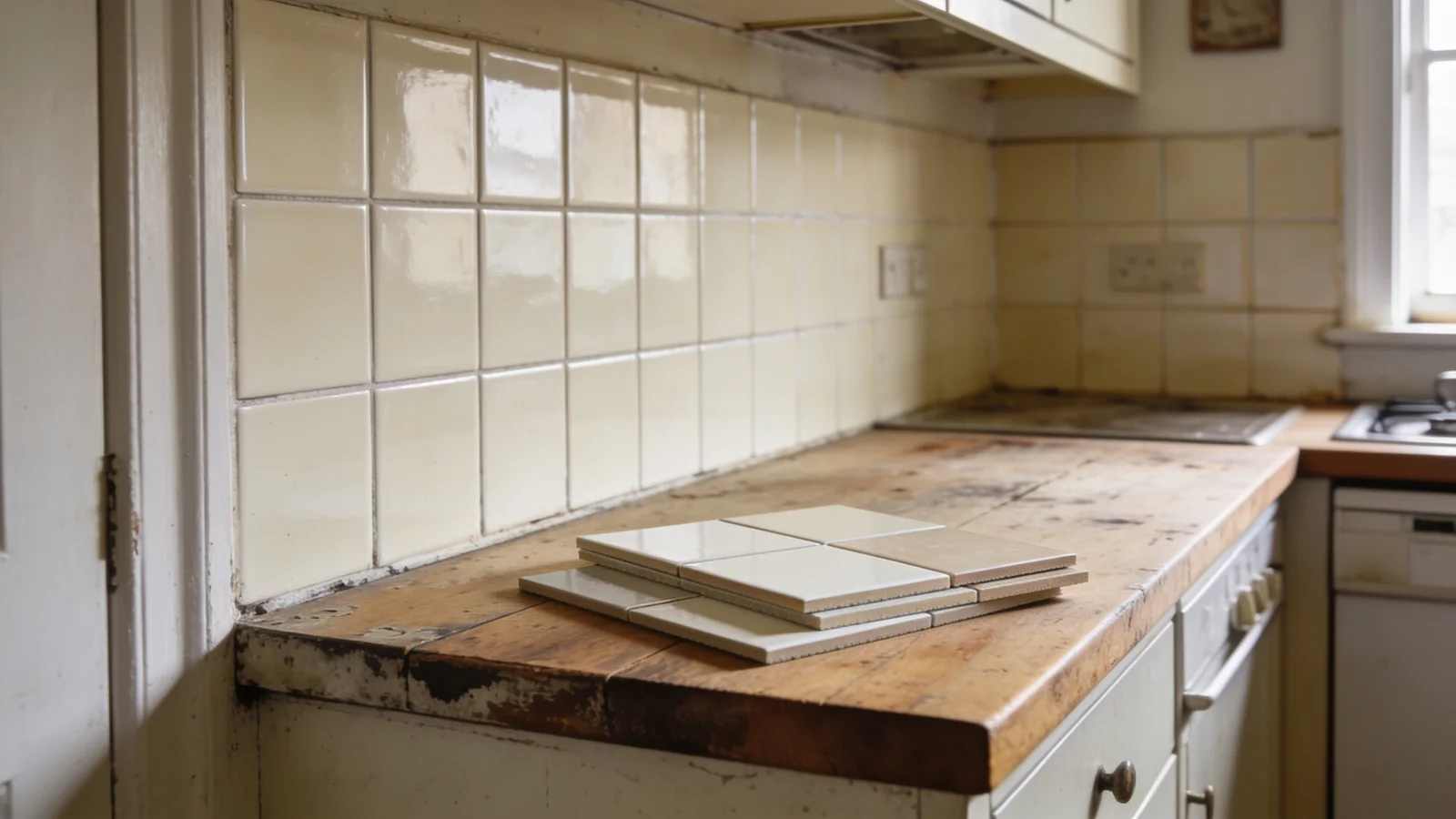
Why the replies disagree — and what matters for your bathroom
The Reddit thread starts with a homeowner frustrated by removing tiles and old adhesive when the previous surface looked flat. Some replies worry about extra weight and concealed defects; others report existing tile layers that stayed firmly attached. Those experiences explain the debate, but cannot establish the condition of a different bathroom.
Separate the technical assessment from the preference. A flat-looking surface is only one part of the decision: check the existing bond, underlying construction, proposed tile system, wet-area details and extra thickness. The selected manufacturer’s requirements must be met; an anecdote about a successful room is not a specification for yours.
Why the question is more than a yes or no
The Reddit discussion linked below begins with a familiar frustration: removing tiles is hard work, so why not keep the flat surface? That is a useful question, but the effort saved is not the only part of the decision.
An assessment needs to consider what the existing finish is attached to, whether it is sound and what the new layer will change. A photograph may show the surface appearance while revealing little about the bond beneath it.
Use a compatible installation specification
BAL’s adhesive guidance explains that the background and tile material affect product selection. Existing tile is one type of background, not a guarantee that every adhesive can be used over it.
Ask for the selected product and any required surface treatment to be identified. Avoid adding a grinding, scoring or priming step from a comment without checking whether it is appropriate for the actual system.
Check the practical effect of a second layer
Additional thickness may alter edges, door clearances, thresholds and the fit around fixtures. On walls, the existing background also needs consideration for the proposed load. Those details should be discussed before a quote is accepted.
In a wet area, retaining an existing finish does not remove the need to assess the water-management specification. If there is a known leak or damage, establish the cause rather than hiding it behind another finish.
Ask for both options to be explained
Ask what the retained-surface option includes and what would be gained by stripping back. Compare the preparation, edges, disposal, installation and risks that can actually be identified. Neither approach should be selected solely because it is described as the professional one.
If investigation changes the scope, agree how that will be priced and documented. For an enquiry with us, include photos, known problems and the product you hope to use.
Questions homeowners ask
Can I tile over loose or cracked tiles?
Do not assume a new layer will stabilise an unsound background. Ask for the cause and condition to be assessed before deciding whether the existing finish can remain.
Is overtiling always cheaper?
Not necessarily. Required preparation, altered edges, fixture adjustments and product choices can change the total. Compare complete scopes rather than the removal cost alone.
Can I use any tile adhesive over existing tiles?
No. Check the selected adhesive’s instructions for the background, tile material and use conditions. Agree the surface preparation as part of the system.
Does a flat old tile surface prove it is suitable to tile over?
No. Flatness does not establish the bond, hidden condition or load capacity. For example, BAL FLEX ONE specifies soundly bonded existing tiles on a stable background able to support the new tiling. Check the actual system and room.
What happens to doors, trims and fittings when another tile layer is added?
The new tile and adhesive add thickness. Check clearances, thresholds, edges, pipe or fitting positions and any wet-area drainage details before choosing the approach. Include any required adjustments in the quote.
Does a primer fix loose or damaged old tiles?
A bonding product is not a substitute for a sound background. Loose areas, cracks or suspected moisture need assessment and an agreed repair approach before a new finish is specified.
Sources & further reading
Technical decisions should follow the actual product instructions. These references support the planning points above.
- BAL: selecting the right tile adhesiveBackground, tile material and adhesive suitability.
- BAL FLEX ONE: technical data for existing tiled backgroundsProduct-specific requirements for soundly bonded existing tiles and a stable background strong enough for the proposed load. Use the instructions for the actual selected system.
The homeowner questions behind this guide
These real discussions helped shape the questions. Community replies are personal experiences and opinions, not a verified installation specification or price list.
- r/DIYUK: why not tile over existing tiles?A real discussion about whether removing existing tiles is necessary.